
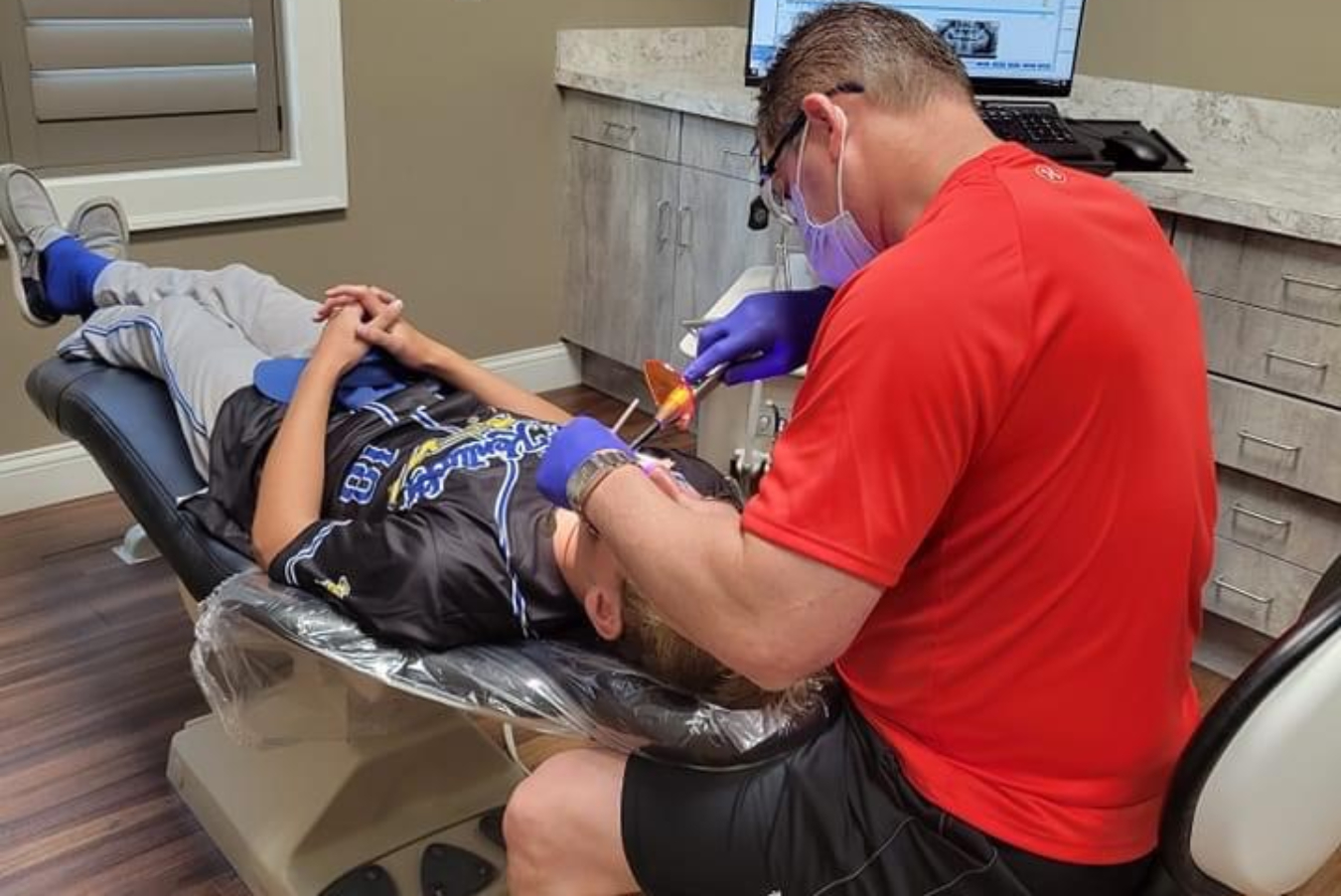
If your child is between 6 and 10, there's a window where orthodontic treatment can make a real difference. Phase 1 orthodontic treatment is early interceptive care designed for children in this age range, while baby teeth and permanent teeth are both present. This type of treatment targets developing jaw and bite issues during a critical growth window when the bones are still malleable and responsive to guidance.
The American Association of Orthodontists recommends that every child receive an orthodontic evaluation by age 7. Dr. Shawn Rice, with over 24 years of clinical experience, can identify potential concerns with jaw growth, tooth spacing, and bite alignment at this age, before they become more difficult to correct. Early detection gives families more options and often leads to better outcomes.
Early treatment is distinct from full orthodontic care, which happens later with full braces or clear aligners once all permanent teeth have erupted. The goal isn't necessarily to eliminate the need for future orthodontics. Instead, it reduces the severity of issues, making any later treatment simpler and more effective.
Think of it as laying the groundwork. By addressing skeletal issues while a child is still growing, Dr. Rice can guide development in a way that simply isn't possible once growth is complete. That timing advantage is what makes this approach so valuable for the right candidates.
How Does Phase 1 Orthodontic Treatment Work?
Early treatment begins with a thorough orthodontic assessment at Rice Orthodontics. Dr. Rice examines your child's teeth, takes X-rays, and evaluates jaw development to identify any skeletal or dental issues that respond best to treatment while the bones are still growing.
Board-certified orthodontist Dr. Shawn Rice looks at the full picture during this evaluation, including how the upper and lower jaws relate to each other, whether permanent teeth have enough room to erupt properly, and whether any habits like thumb sucking are affecting development. Families often bring children in around age 7 for this initial look.
Not every child needs Phase 1 care. But for those who do, catching these issues early makes a real difference.
Common appliances used in Phase 1 include:
- Palatal expanders widen the upper jaw to correct crossbites and create room for permanent teeth
- Partial braces on specific teeth can guide alignment or close gaps where needed
- Space maintainers hold room for permanent teeth after early loss of baby teeth
- Habit appliances help break thumb sucking or tongue thrusting patterns that affect jaw development
Active treatment typically lasts between 6 and 18 months, depending on the specific issues being addressed. After the active phase, your child enters a resting period. During this time, Dr. Rice monitors growth and development while waiting for more permanent teeth to come in.
This resting phase is important. It allows the jaw and teeth to settle into their new positions naturally. Once permanent teeth have erupted, Dr. Rice will evaluate whether Phase 2 treatment is needed.
Key Benefits of Phase 1 Orthodontic Treatment
The biggest reason to consider Phase 1? Timing. Treating jaw and bite issues while a child is still growing opens up options that aren't available later. Early intervention can create space for permanent teeth, reduce the chance of extractions, and sometimes help families avoid surgery altogether.
Here are the key benefits of early orthodontic treatment:
- Guides jaw growth toward a more balanced, symmetric position
- Creates space for permanent teeth to erupt properly
- Reduces the likelihood of tooth extractions later
- Protects protruding front teeth from injury during sports and play
- Addresses harmful oral habits before they cause lasting damage
- May reduce or eliminate the need for surgical correction
How Does Early Treatment Guide Jaw Growth?
Dr. Rice uses Phase 1 appliances to influence how the jaw develops during this critical window. A crossbite, for example, can cause a child to shift their jaw to one side when biting down. Left untreated, this repeated shift leads to asymmetric growth that becomes permanent. A palatal expander corrects the bite while the bones are still responsive.
Creating space for permanent teeth is another major benefit. When crowding is severe, teeth erupt in rotated or blocked-out positions. Expanding the jaw early gives permanent teeth a clear path, which often means less involved treatment down the road.
Can Phase 1 Reduce the Need for Surgery?
Phase 1 orthodontic treatment can reduce or eliminate the need for jaw surgery by correcting skeletal issues like underbites and narrow palates during growth. When these conditions are caught early, Dr. Rice can redirect growth patterns before the jaw finishes developing, often avoiding surgical intervention entirely.
Waiting until the teen years, after the jaw has stopped growing, sometimes means surgery becomes the only option. Early treatment also protects teeth that are vulnerable to injury. Upper front teeth that protrude significantly face a much higher risk during falls, sports, and everyday play.
According to the American Association of Orthodontists, early treatment can achieve results that may not be possible once the face and jaws have finished growing.
Phase 1 vs. Phase 2 Orthodontic Treatment: What's the Difference?
Understanding the distinction between these two phases helps parents know what to expect throughout their child's orthodontic care.
| Aspect | Phase 1 Treatment | Phase 2 Treatment |
|---|---|---|
| Timing | Ages 6-10 (mixed dentition) | Teen years (permanent teeth) |
| Primary Focus | Jaw growth and skeletal development | Tooth alignment and bite refinement |
| Common Appliances | Expanders, partial braces, space maintainers | Full braces or clear aligners |
| Duration | 6-18 months | 12-24 months |
| Goal | Correct developmental issues | Achieve final smile alignment |
Dr. Rice uses a two-phase approach when early intervention can produce results that aren't achievable with single-phase treatment alone. Phase 1 corrects skeletal issues and creates proper conditions for permanent teeth. Phase 2 then aligns all permanent teeth into their ideal positions.
Not every child who completes Phase 1 will need Phase 2. Some children achieve enough correction during early treatment that full braces aren't necessary. Others may need a shorter, simpler Phase 2 than they would have without early intervention.
What Factors Affect the Cost of Phase 1 Treatment?
The cost of Phase 1 orthodontic treatment depends on the complexity of the issue, treatment duration, and type of appliances used. Insurance coverage and payment options also affect out-of-pocket costs.
Complexity plays the biggest role. A simple space maintainer costs less than treatment requiring a palatal expander plus partial braces. The more appliances needed and the more involved the correction, the higher the investment. How long treatment lasts matters too, since a 6-month plan differs from one lasting 18 months in terms of appointments, adjustments, and monitoring. Then there's the appliance itself. Custom-made expanders and specialized habit appliances carry different costs than standard space maintainers.
Many dental insurance plans cover a portion of Phase 1 orthodontics, though coverage varies widely. Rice Orthodontics offers low monthly payment options that make treatment accessible for families.
Worth noting: early treatment may lower overall orthodontic costs by simplifying Phase 2. When the first phase addresses major issues, later treatment often requires less time and fewer appliances.
When Is Phase 1 Orthodontic Treatment Recommended?
Dr. Rice recommends Phase 1 treatment when specific conditions are present that benefit from correction during growth. Not every child needs early orthodontic intervention. The following situations are the most common reasons to begin treatment before all permanent teeth arrive.
Crossbites causing jaw shift. When upper and lower teeth don't meet properly, children often shift their jaw to one side when biting. Over time, this can cause asymmetric jaw growth that becomes permanent.
Severe crowding. When there simply isn't enough room in the jaw for permanent teeth to come in, early expansion can create the space needed for proper eruption.
Protruding front teeth. Upper teeth that stick out significantly face a much higher risk of injury during falls, sports, and everyday activities. Early correction protects these vulnerable teeth.
Underbites or significant skeletal discrepancies respond well to early treatment because Dr. Rice can guide more balanced development before the growth window closes. Persistent oral habits like thumb sucking, tongue thrusting, or prolonged pacifier use can also alter jaw and tooth development. Habit appliances work best when used during the early years, before these patterns cause lasting changes.
If your child shows any of these signs, an evaluation by age 7 at Rice Orthodontics can determine whether early treatment would be beneficial or if monitoring and waiting is the better approach.
Frequently Asked Questions About Phase 1 Orthodontics
What age should my child start Phase 1 treatment?
Most Phase 1 treatment begins between ages 7 and 10. The ideal timing depends on the specific situation. Some children benefit from starting at age 6, while others may wait until age 9 or 10 based on their dental development and the type of issue being addressed.
Does every child need Phase 1 orthodontics?
No. Many children can wait for full treatment in their teen years. Early intervention is recommended only when specific developmental issues are present that benefit from correction during growth. During an evaluation, Dr. Rice will explain whether early treatment makes sense or if monitoring is the better path.
How long does Phase 1 treatment take?
Active treatment typically lasts 6 to 18 months. After that, there's a resting period where growth and tooth eruption are monitored before deciding on next steps.
Will my child still need braces after Phase 1?
Possibly. Many children do benefit from Phase 2 treatment to achieve final alignment once all permanent teeth are in. That said, early treatment often makes this later phase shorter and simpler. Some children may not need Phase 2 at all, depending on how their teeth and jaw develop after the initial correction. For example, a child who only needed a palatal expander in Phase 1 may find that permanent teeth erupt into well-aligned positions on their own, reducing or eliminating the need for braces later.
What happens between Phase 1 and Phase 2?
The resting phase is a period of observation. Your child may wear a retainer to maintain the corrections achieved during the first phase. Dr. Rice monitors tooth eruption and jaw development during regular check-ups, determining the right time to begin Phase 2 if needed.
Not sure if your child needs early treatment? Talk to Dr. Rice about whether Phase 1 is right for your family. An evaluation by age 7 gives you the information you need to make the best decision for your child's smile.